
Physical Therapy
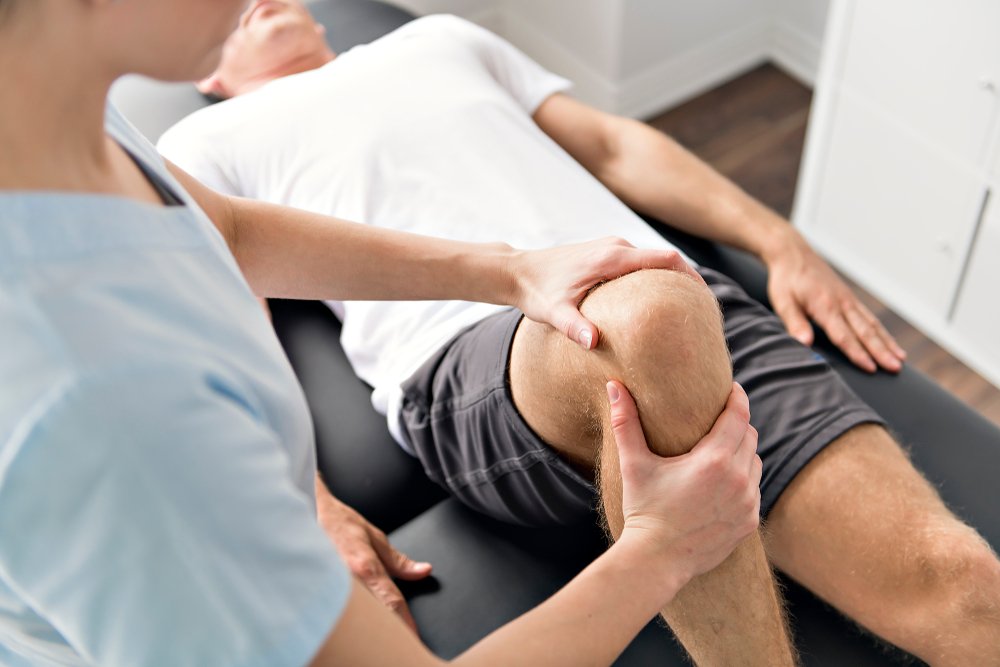
PHYSICAL THERAPY
If pain impairs function, if you are recovering from an injury, surgery, disease or illness, we can help.
A Physical Therapist (PT) is a doctoral level, licensed musculoskeletal specialist. PTs are licensed to diagnose and treat problems of muscles, nervous system, joints, spine and tissue.
A growing number of patients who want to stay active are seeking Physical Therapy to relieve pain, improve movement and function, and expand movement potential. Because of this, physical therapists often help patients avoid surgery and reduce or eliminate medications.
PTs also teach physical coping skills in dealing with impaired function from a disease, injury or illness. We teach you how to achieve the highest level of function possible and how to eliminate or manage painful or debilitating conditions.
Front Porch Physical Therapists are highly skilled, experienced and focused on helping you achieve your personal health goals.
CONDITIONS HELPED
Conditions that are diagnosed and helped with physical therapy include:
Back Neck Pain / Spinal Injury
Swelling
Strains, Sprains
Joint Problems
Work Injuries
Sports/Orthopedic Injuries
Arthritis / Osteoporosis / Fibromyalgia
OB/GYN pain
Weakness or pain from Cancer
Cerebral Vascular Accident (Stroke)
Muscular Dystrophy, Multiple Sclerosis, Parkinson's Disease
Other Neurological Conditions
Injury to limbs or amputations
Cardiac and Pulmonary Diseases
Coordination and Balance problems
Joint Replacements
Fractures
Hand Injury or problem
Developmental delay in children
TMJ Dysfunction
Functional Limitations related to mobility
Undiagnosed Pain
TREATMENT METHODS
Therapeutic Exercise
Designed for each individual patient and condition being treated, and adjusted specifically based on patient response. We also teach correct form as many folks utilize muscle substitution to achieve the goal of the movement.
Functional Therapeutic Training
Transitional mobility such as sitting, standing, walking, getting in and out of bed, sleep positioning, and for correctly performing Activities of Daily Living, Body Mechanics and Job / Sport/ Dance / Yoga Simulation.
Neuromuscular Re-Education
Teaching how the body works and moves in relation to injury, including postural education, proprioception (sensing where joints are in space), balance and coordination of muscles and joints, reducing forces on the spine and how to position your body to reduce pain and allow return to normal activities without pain. This may include taping techniques for neuromuscular reeducation or stimulation of muscles to retrain muscle fibers.
Gait Training
Safety and Endurance with walking with appropriate use of assistive device, if needed.
Medical Therapeutic Yoga (MTY): MTY involves Using the principals of Yoga mindful movement and breath to guide you toward safe, pain-free mobility and improve awareness of alignment Using biopsychosocial approach taking into consideration all aspects of one’s health, allows the therapist to deeply listen to patient’s history and where they are in terms of learning strategies to help themselves heal. Once the level of readiness for learning is identified MTY can help patients connect with the core stability of movement and ease in moving the extremities.
Manual Therapy
All hands on techniques (joint mobilization, Manual Lymph Drainage, mobilization with movement, manual cuing for movement, soft tissue mobilization/specific massage techniques to reduce muscle spasms) help to change the placement of joints to improve movement. This includes specific taping techniques for joint alignment. .
Community and/or Work Reintegration
Preparing and training for back to work or recreational activities. This may be done in-clinic or at patient’s job, fitness club site, or school for a child or teen.
Orthotic Fitting and Training
Aiding patients with obtaining and use of orthotic equipment (custom inserts, braces, AFOs, and shoe lifts, etc.) This may also include measuring for and aiding with obtaining appropriate supportive shoe wear (over the counter or custom orthopedic) for specific conditions.
Prosthetic Training
Aiding patients with obtaining and using a prosthesis.
Wheelchair Management
Teaching use of wheelchair after assessment for appropriate chair.
Patient / Family Education
This is an integral part of the evaluation and treatment of our patients and involves teaching mechanism of injury and protection to avoid further injury, positioning techniques, Activities of Daily Living (ADL) modification, home management techniques for pain and efficiency of mobility, equipment training, caregiver techniques (including ROM and mobilization / bracing / taping techniques), self-pacing, fitness planning, ADL planning, and transitional mobility.
Complex Decongestive Physiotherapy (CDT) (for Chronic Swelling)
Rendered by Certified Lymphedema Physical Therapists, a combination of manual lymph drainage and compression techniques to treat patients with Lymphedema or any type of chronic swelling.
Manual Lymph Drainage (MLD)
Specific light directional hands-on technique utilized by Lymphedema Physical Therapists to direct flow of lymph from damaged areas back to the heart.
Modalities to aid in Reduction of Pain, Inflammation and Promote Mobility may include:
Ultrasound
Using sound waves to improve blood flow to the area of injury, reduce level of pain, and improve tissue and joint mobility.
Iontophoresis
Transcutaneous delivery of Dexamethasome Sodium Phosphate (anti-inflammatory) via Electrical Stimulation for localized anti-inflammatory treatment (very beneficial for Tendonitis).